
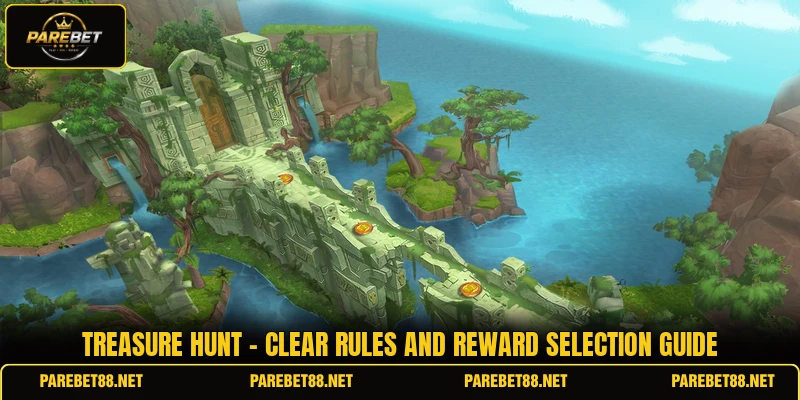
Treasure Hunt places members inside a simple map where every selection may reveal coins, bonus objects, multipliers, or a round-ending trap. At PAREBET, the game uses clear controls and PHP or USD stakes, so members can follow each decision without reading complex instructions. This guide explains the format, selection process, reward signals, and useful comparison methods, helping players understand each round before placing a wager.
Understanding Treasure Hunt and its core game format
The game follows a hidden-reward structure where members choose covered locations and receive an immediate result after every accepted selection. PAREBET displays the available stake, current multiplier, possible return, and active map clearly, allowing players to read the situation before continuing. The layout keeps the map and result panel together, which reduces confusion when several multiplier changes occur during one attempt.
A standard Treasure Hunt round begins after a stake is confirmed, then the board presents several covered spots with different possible outcomes. Some locations may increase the displayed return, while another choice can close the attempt and remove any uncollected value from that sequence. Members should read the paytable because symbol values, map size, and bonus conditions may differ between versions supplied by separate game studios.

How each round unfolds from choice to result
Every round moves through a fixed order, beginning with stake selection and ending when members collect a return or trigger a losing result. Treasure Hunt keeps these stages visible, so players can identify what has changed after each action.
Selecting the initial stake amount
Members first choose a supported amount, which may be shown in PHP for local accounts or USD where that wallet option is available. The selected value determines the base return calculation, while the current paytable shows how each multiplier changes the possible payout. Before confirming, players should check that the currency, wager figure, and round mode match the intended selection.
Lower stakes create smaller possible returns because every reward multiplier is applied to a reduced base figure during the calculation. Higher amounts raise the displayed payout at the same multiplier, although the hidden positions and underlying result rules normally remain unchanged. Members can compare stakes of PHP 20 and 50, or equivalent USD values, to understand how the return display responds.
Starting a Treasure Hunt round
After the wager is accepted, the board activates and covered positions become available for selection through the main game area. Members choose one location at a time, then the system reveals its symbol and updates the active return without delaying the next decision. A coin, chest, map piece, or multiplier may increase value, depending on the version currently loaded.
The round continues while safe results appear and the collect option remains active beside the updated possible payout. Treasure Hunt may also include automatic selection, preset difficulty, or map-size controls, although members should confirm these features on the visible interface. When a trap or losing marker appears, the active sequence ends according to the rules displayed before play.
Reading the ultimate reward result
A collected outcome converts the active multiplier into a final return based on the opening stake and displayed calculation. The game normally shows the awarded amount, completed factor, and wallet update, giving members a clear record of that finished attempt. Players should compare these figures with the paytable rather than judging settlement only from the animation.
View more: Treasure Box – Game Rules, Rewards, And Play Guide
A losing marker closes the active board and records no return for that specific wager unless a separate protection feature applies. Bonus outcomes may add free selections, fixed prizes, or enhanced multipliers when the required symbols appear in the correct order. Members should use the round history when a displayed amount seems unclear, because it provides the accepted stake and settled result.
Methods for reading icons and reward conditions
Good decisions depend on visible information, including the paytable, active multiplier, remaining positions, and any special conditions shown beside the board. Treasure Hunt becomes easier to follow when members compare those details instead of selecting locations only by appearance.
Checking the displayed reward table
The reward table explains which symbols increase value, which objects trigger special features, and which markers end the current attempt. Members should read this information before the first wager because similar-looking icons may carry different functions across separate releases. A gold chest may provide a fixed prize in one version but activate a multiplier in another.
The table also shows whether rewards are calculated from the base stake, total wager, or another amount defined by the provider. Treasure Hunt results should match this stated formula, giving players a direct way to verify each completed payout. When a bonus has several levels, members can compare the required symbols and maximum listed values before starting.
Comparing cautious and stronger routes
Some versions divide the map into routes with different numbers of traps, reward ranges, or multiplier steps shown before selection. A route with fewer losing positions may offer smaller increases, while a harder path may display stronger possible multipliers. Members should compare those published conditions because the visual theme alone does not show the actual level of risk.
The chosen route usually remains fixed after the round begins, so changing difficulty may require a new wager and a fresh board. Treasure Hunt members can read the number of covered positions and listed trap count to understand the structure of each option. This comparison supports informed selection without relying on guesses about where a reward might be hidden.
Reviewing previous prior information
Round history records accepted stakes, settlement times, multipliers, and final returns, creating a useful reference when members review earlier activity. Players can use these details to confirm that PHP or USD amounts were calculated correctly after each completed sequence. The record also helps identify which game mode was active when a bonus or unusual symbol appeared.
Past outcomes do not reveal the next hidden position because each new board follows its own recorded result process. However, Treasure Hunt history can clarify interface changes, payout calculations, and differences between standard and bonus rounds. Members should focus on verified entries such as stake size, multiplier, and settlement value rather than imagined symbol patterns.
View more Category: Arcade
Conclusion
Treasure Hunt offers a direct hidden-map format where members select positions, read multipliers, and receive a settled result after collecting or meeting an ending condition. PAREBET provides the game with visible PHP or USD controls, paytable details, and round records that help players follow each accepted wager. Register an account, download the app, open the game, and may every selection bring a lucky result.